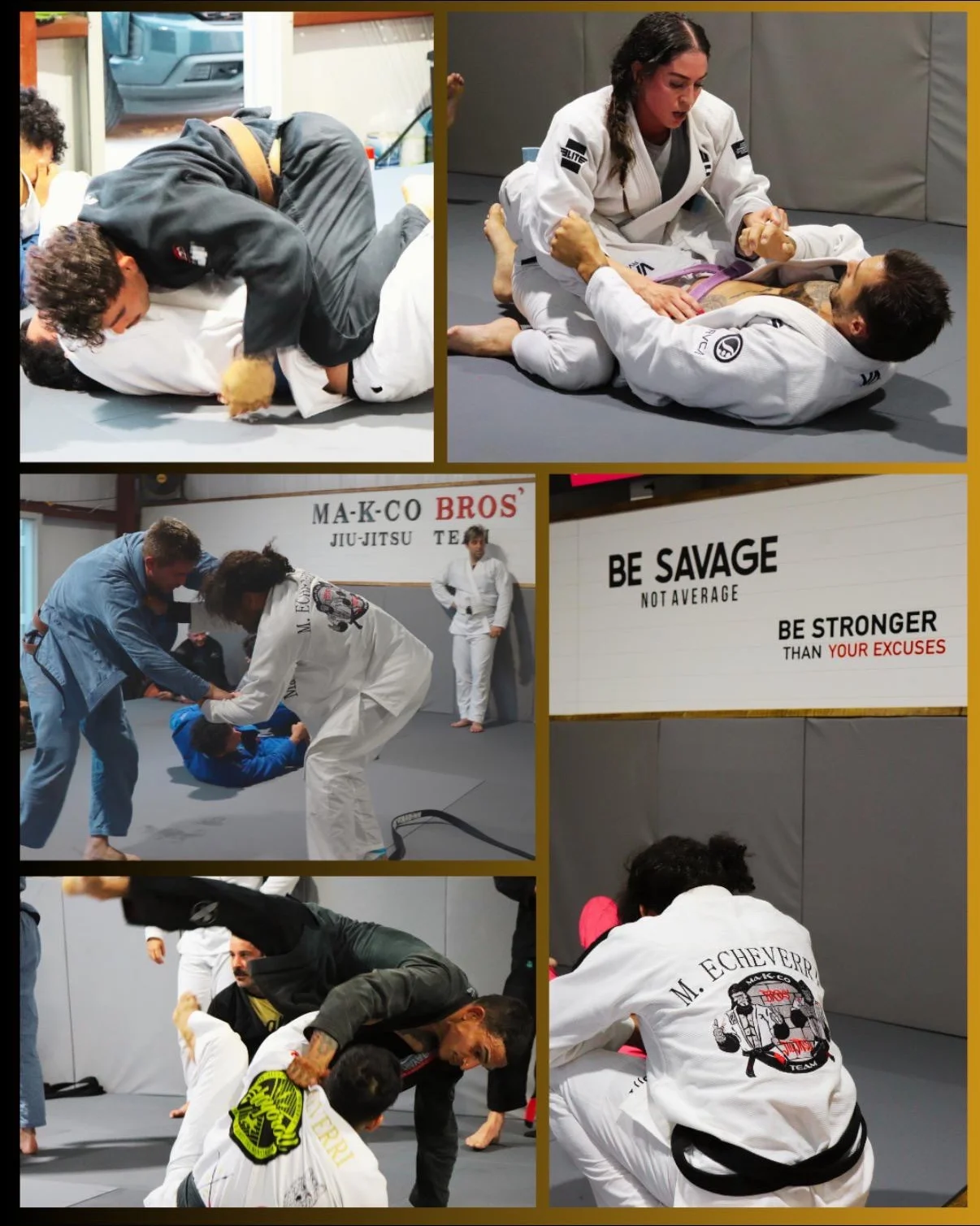
FIRST JIU JITSU CLASS NERVES: WHAT ACTUALLY HAPPENS
Everyone pictures the worst version of day one. Here's what a real first class at a Tampa Jiu Jitsu academy actually looks like.
If you've sat in your car outside a Jiu Jitsu academy talking yourself out of walking in, you're in extremely good company. Nearly everyone who now trains regularly went through that exact moment first. It's one of the most common questions we hear from people researching a Tampa Jiu Jitsu academy for the first time: is this going to be too much for someone starting from zero?
The Honest Answer: The Nerves Are Normal, Not A Warning Sign
Walking into any new physical activity as an adult is uncomfortable — you don't know the etiquette, you don't know anyone, and you're worried about looking foolish. Jiu Jitsu adds a layer on top of that because it involves close contact with a stranger. That discomfort is completely normal and it has nothing to do with whether you'll be good at this or whether you belong in the room.
What A Real First Class Looks Like
- You'll be greeted, not ignored. A coach or a senior student should introduce themselves, explain the basics of etiquette, and set expectations before class even starts.
- The warm-up is scalable. Nobody expects a beginner to keep pace with a competitor during warm-ups. Go at your own speed.
- Technique comes before sparring. A well-run beginner class spends most of its time on instruction and drilling, not live rolling.
- Partners are matched sensibly. A good academy won't pair a brand-new student with an aggressive veteran on day one.
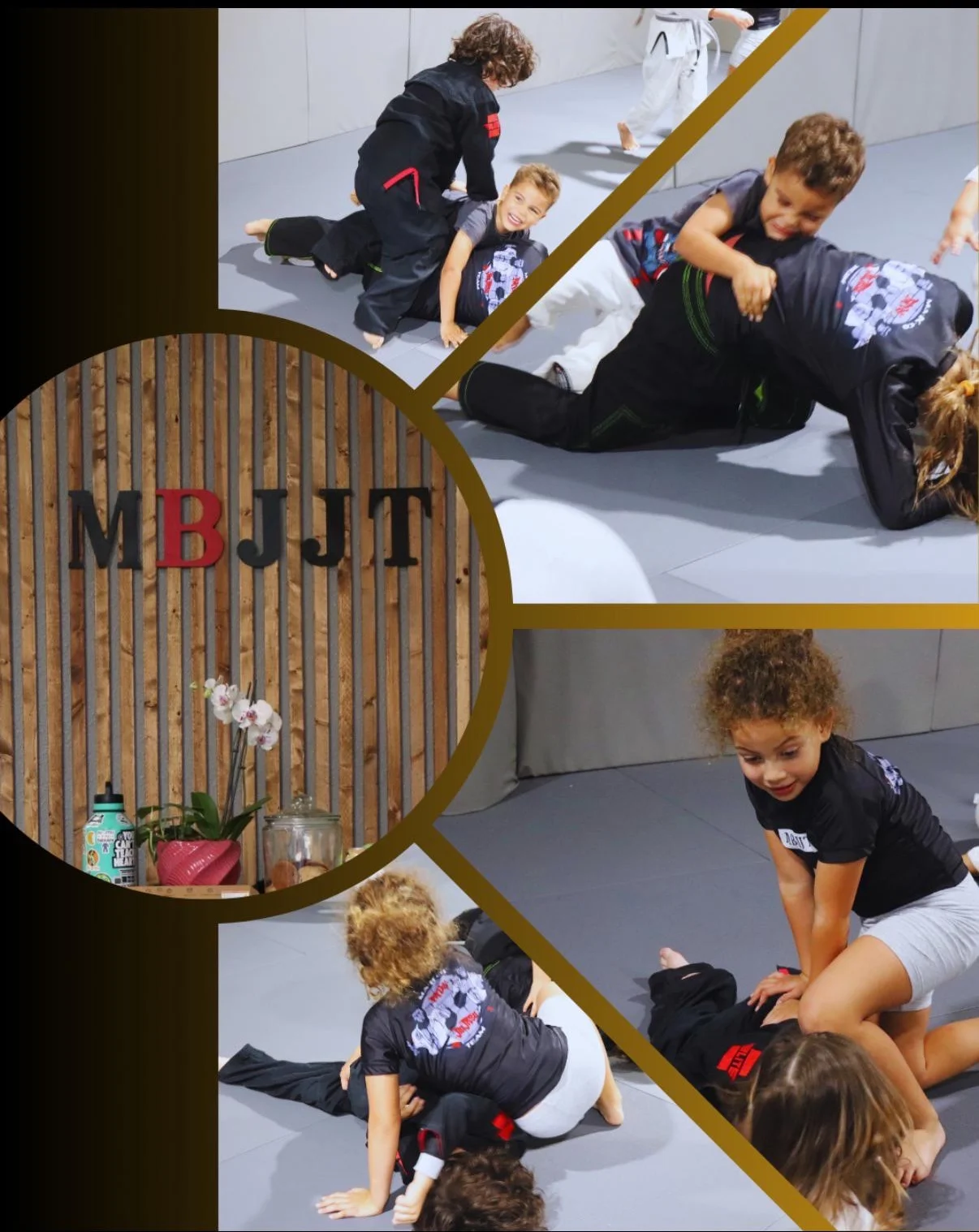
Why It Feels Harder Than It Actually Is
Part of what makes Jiu Jitsu feel intimidating is that it's genuinely a new language — new positions, new vocabulary, new ways of moving your body. That newness reads as difficulty, but it's really just unfamiliarity. Within a few classes, words like "guard" and "mount" stop sounding foreign and start being useful. If you're looking specifically at Adult Fundamentals classes, this exact ramp-up is what the curriculum is designed around.
What Changes After The First Month
Most students report the panic fading somewhere around the third to eighth class, once a couple of positions stop feeling chaotic. By the one-month mark, most beginners stop bracing every time they end up on their back and start actually recognizing what's happening. You won't look like an expert, but the fear will have quietly turned into curiosity — and that's usually when training stops feeling like an obligation and starts feeling like something you look forward to.
Practical Tips For Your First Visit
- Tap early, tap often. Tapping isn't losing — it's how you get to train again tomorrow, and everyone in the room does it.
- Show up on a schedule, not a mood. Consistency over the first three months matters more than intensity on any single day.
- Ask questions after class. Coaches at a genuine Jiu Jitsu academy in Tampa want engaged beginners, not silent ones.
- Expect to feel behind for a while. Everyone currently ahead of you felt exactly the same way at some point.
The Bottom Line
The nerves are real, but they are not a sign that you don't belong. They fade fast once you're actually on the mat, and the specific thing that scared you about walking in usually becomes the thing you enjoy most a few months later. The best way to find out is to try a free class yourself in our Adult Fundamentals program.
Beginner FAQ
It sounds worse in your head than it feels in the room. A good academy structures the first class so you're drilling with a patient partner, not getting steamrolled by a veteran — the nerves fade within the first fifteen minutes for almost everyone.
No good academy does this. Live rolling is introduced gradually and is always optional early on. Your first class should feel like guided learning, not a test.
Completely out of shape is fine. Coaches scale the pace to you, and cardio for grappling is genuinely different from running or lifting — it builds specifically through training, not before it.
That everyone in the room remembers being exactly where you are. Nobody is judging the new person — they're often the most encouraging people on the mat, because they remember needing that same patience.
More From The Blog
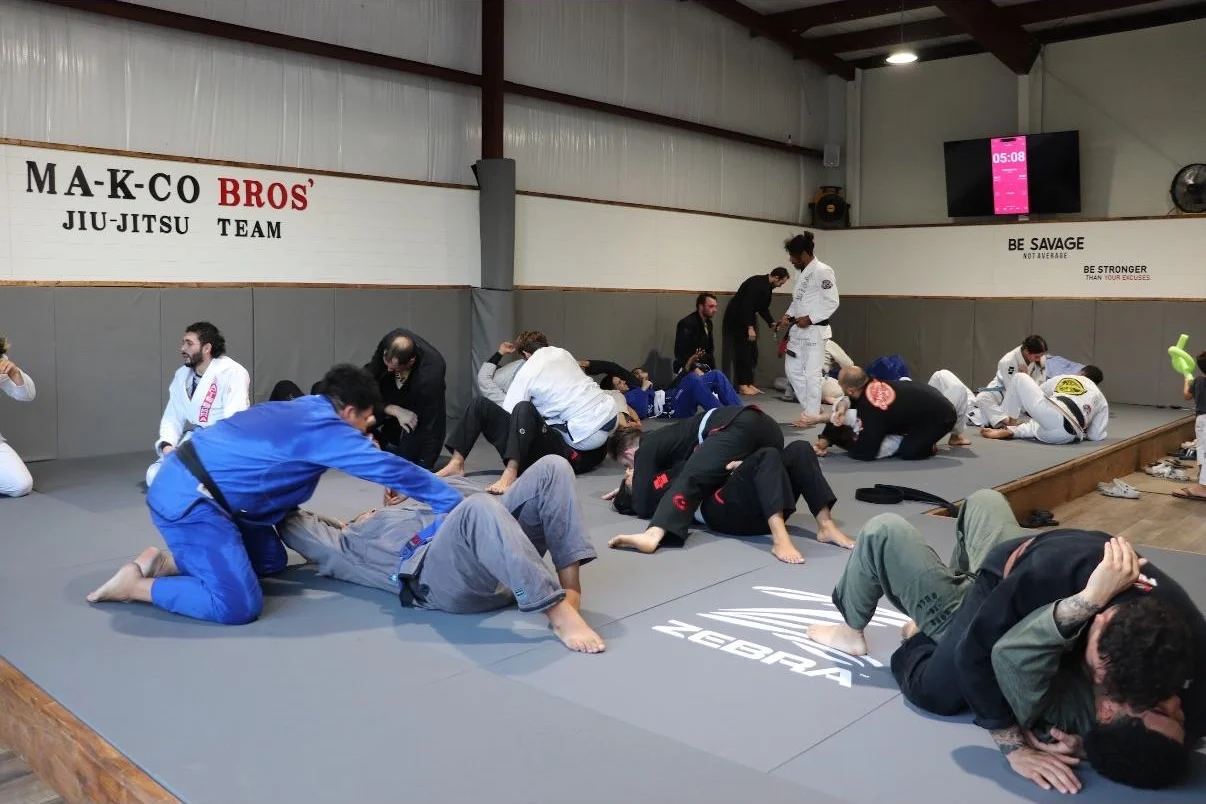 Benefits
What Jiu Jitsu Actually Changes About Your Life
Beyond the workout: the specific ways consistent Jiu Jitsu training reshapes stress, confidence, and everyday problem-solving.
Read More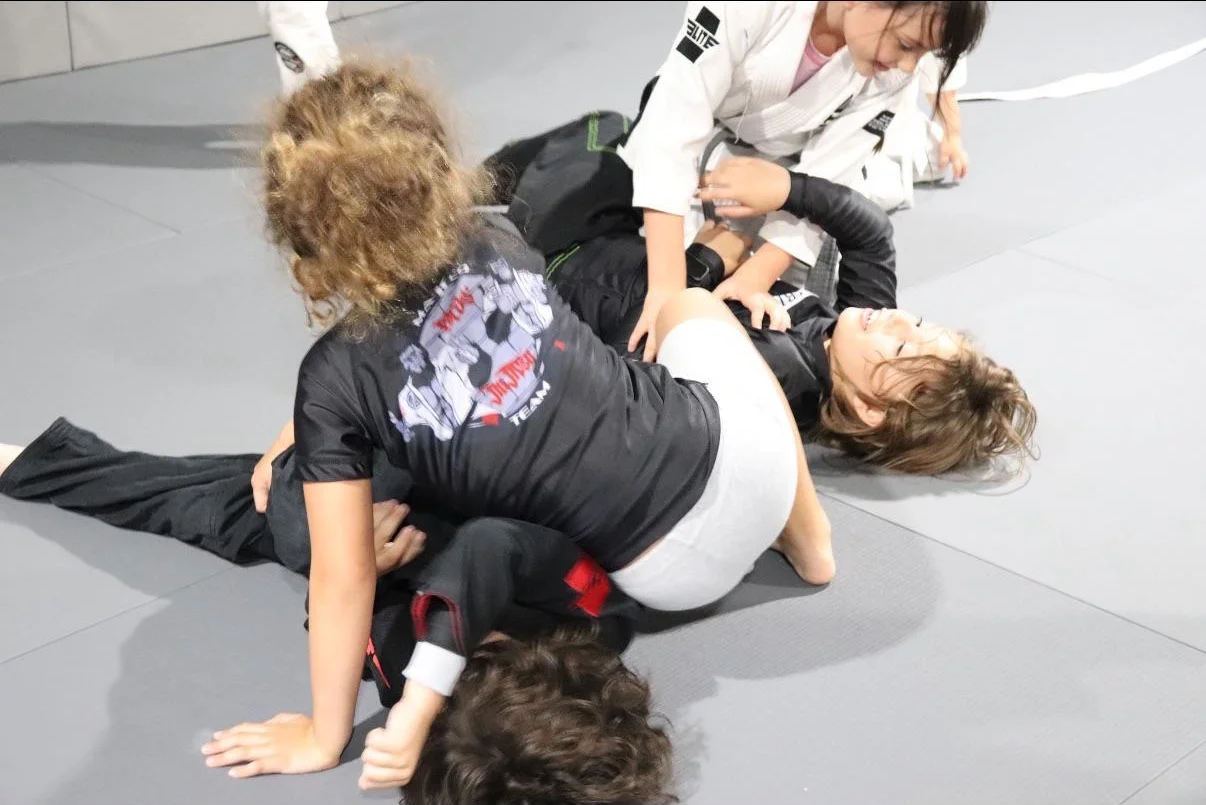 Kids Jiu Jitsu
When Should a Kid Start Jiu Jitsu in Tampa?
A parent-focused look at the right starting age, what changes in a child after a few months, and what to look for in a program.
Read More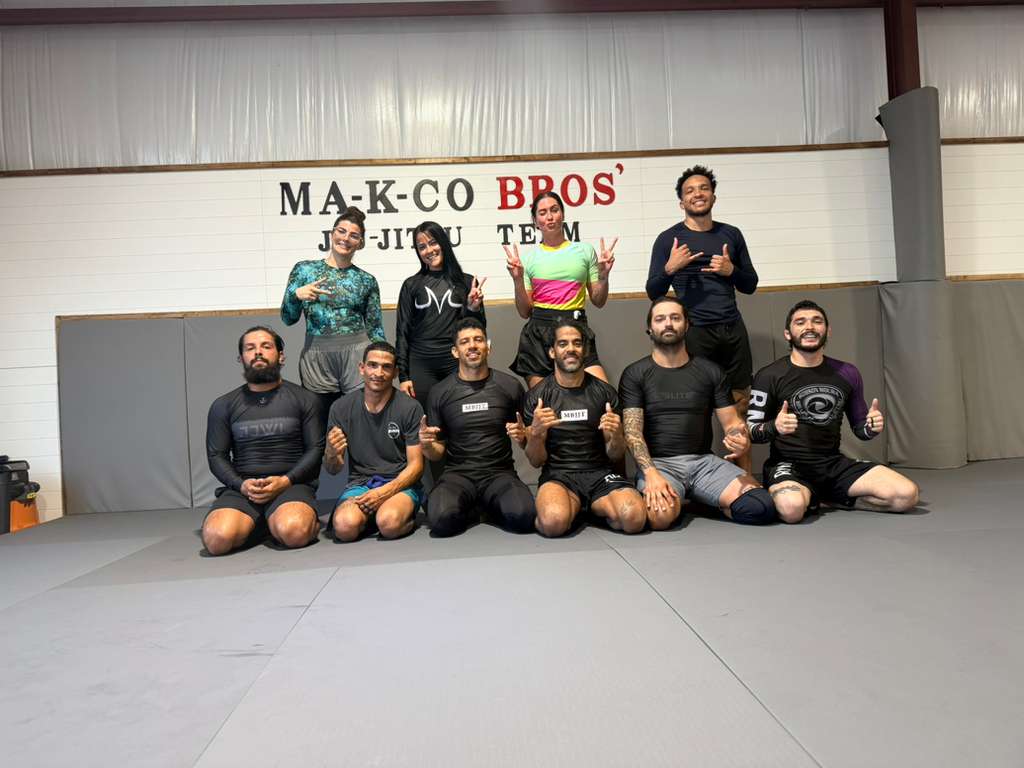 Training
Gi or No-Gi First? A Practical Answer
The real differences in pace, grips, and realism between gi and no-gi Jiu Jitsu, and how to decide where to start.
Read MoreClaim Your Free Trial Class
One free class at Tampa Jiu Jitsu Academy. No contract, no pressure, no sales pitch on the mat — just tell us a bit about yourself and we'll get you booked into the right class.
- A free, no-obligation trial class in the program that fits you
- Loaner gi available — just show up in comfortable clothes
- Beginner-friendly coaching from day one, no exceptions
- No contracts. Month-to-month, cancel anytime.
You're On The Mat List!
Thanks — we got your request and we'll reach out within one business day to lock in your free class. Can't wait? Call us at (813) 819-6652.
Your First Class Is Already Paid For
Come see the room, meet a coach, and roll once before you decide anything. Book online or call the academy directly — we can usually get you on the mats this week.
(813) 819-6652